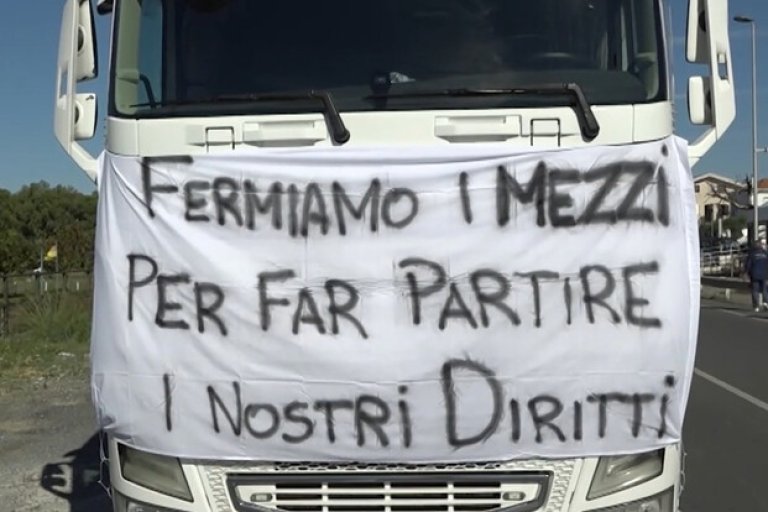
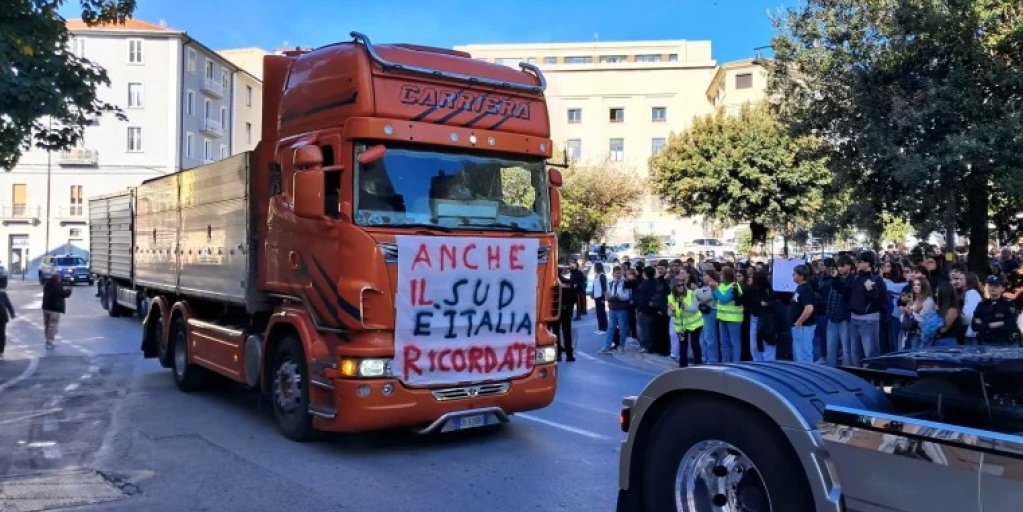
The protests, which began in Calabria and Sicily, are linked to rising fuel prices and the general increase in the cost of living. These factors are fuelling growing discontent among hauliers and the wider population.
Roadblocks and protest gatherings are causing traffic congestion and delays in goods deliveries. In some areas, supermarkets are also experiencing difficulties with stock replenishment.
The mobilisation is rapidly spreading to other parts of southern Italy, as numerous hauliers suspend their activities, with direct consequences for the entire distribution chain.
Impact on supply chains and essential goods
The main consequences of the protests include difficulties in obtaining fuel at some gas stations and shortages of food and essential goods in supermarkets.
Transport disruptions could also affect the distribution of medicines, raising further concerns about the availability of essential supplies.
The evolving situation is attracting increasing attention due to its potential impact on mobility, the continuity of commercial activities and the supply of local communities.
Why hauliers are taking action
Workers are calling for concrete measures to reduce operating costs and protect their businesses, tackle rising fuel prices and curb the growing expenses that weigh heavily on road haulage companies on a daily basis.
Their main demand is for tangible support that will enable them to continue operating without being placed under increasing financial pressure by ever-rising costs.
Consequences for transport and logistics companies
The suspension of haulage activities may lead to delivery delays, operational difficulties and slowdowns in the distribution of goods.
This situation directly affects transport and logistics companies, which must deal with potential changes to shipment management, delivery schedules and the organisation of their day-to-day operations.
Although the protests stem from concrete issues such as rising fuel prices and increasing operating expenses, it is also important to consider the potential consequences for the wider economic system.
Broader economic and social implications
The protest is not limited to the transport sector but also reflects broader social discontent linked to the rising cost of living.
The slogans displayed during demonstrations highlight the workers' determination to demand greater protection and draw attention to the difficulties affecting not only southern Italy, but also the rest of the country and the wider world.
In this context, it is important to monitor developments closely and carefully assess the potential repercussions for transport operations, goods distribution and the availability of essential products.
The critical role of road Freight
The current situation once again highlights how indispensable road freight transport is to the functioning of the economy and to ensuring a steady supply of goods to businesses, commercial activities and consumers.